

Video surveillance has become an essential part of modern physical security, helping organizations deter threats, document incidents, monitor activity, and improve response times. Whether you are protecting a small office, a retail store, a warehouse, a school, or a multi-site enterprise, the right system should do more than record footage. It should support your specific security goals, fit your environment, and remain reliable as your needs evolve.
Choosing a video surveillance system can feel overwhelming because there are many camera types, recording options, storage models, analytics features, and installation considerations. A strong decision starts with understanding what you need to see, where you need coverage, how footage will be used, and who will manage the system day to day.
Start With a Clear Security Assessment
Before comparing cameras or reviewing technical specifications, it is important to define the security problems you are trying to solve. A surveillance system designed for general visibility will look different from one built to identify faces, capture license plates, monitor restricted areas, or provide evidence after an incident. The more specific your objectives are, the easier it becomes to choose equipment and features that serve a real purpose.
Begin by reviewing your property layout, daily operations, known vulnerabilities, and prior security incidents. Identify areas where unauthorized access, theft, vandalism, workplace safety concerns, or liability risks are most likely to occur. Entry points, reception areas, parking lots, loading docks, hallways, cash handling areas, server rooms, inventory storage spaces, and perimeter zones often require different levels of visibility and camera performance.
Define What Each Camera Must Accomplish
Not every camera needs to perform the same function. Some cameras may provide broad situational awareness, while others must capture a person’s face clearly enough for identification. A camera placed near a doorway may need a tight field of view and strong backlight handling, while a camera overlooking a parking lot may require a wider angle, low light capability, and weather resistance.

For each camera location, consider whether the goal is detection, recognition, or identification. Detection means seeing that activity is happening. Recognition means determining what type of activity is occurring or whether a person is familiar. Identification means capturing enough detail to confirm who a person is or what a vehicle plate number says. These distinctions help determine resolution, placement, lens selection, lighting needs, and recording quality.
Match Camera Types to the Environment
Camera selection should be guided by the conditions in each area you need to monitor. Indoor spaces, outdoor perimeters, low light zones, high traffic entrances, and large open areas all create different technical demands. Choosing the wrong camera for the environment can lead to poor visibility, blind spots, excessive false alerts, or footage that is not useful during an investigation.
Dome cameras are commonly used indoors because they are compact, discreet, and difficult to quickly reposition by hand. Bullet cameras are often selected for outdoor use because their shape makes them highly visible, which can help deter unwanted activity. Turret cameras are popular for both indoor and outdoor applications because they are flexible, durable, and less prone to glare from the camera housing. Pan tilt zoom cameras can cover large areas and follow activity, but they should be used thoughtfully because they may not record every direction at once unless supported by fixed cameras.
Consider Lighting, Weather, and Placement Challenges
Lighting conditions have a major impact on surveillance quality. Areas with bright windows, headlights, shadows, or sudden changes in illumination may require wide dynamic range features to balance bright and dark parts of the image. Locations with limited nighttime lighting may need infrared capability, low light sensors, or supplemental lighting to produce usable footage after dark.
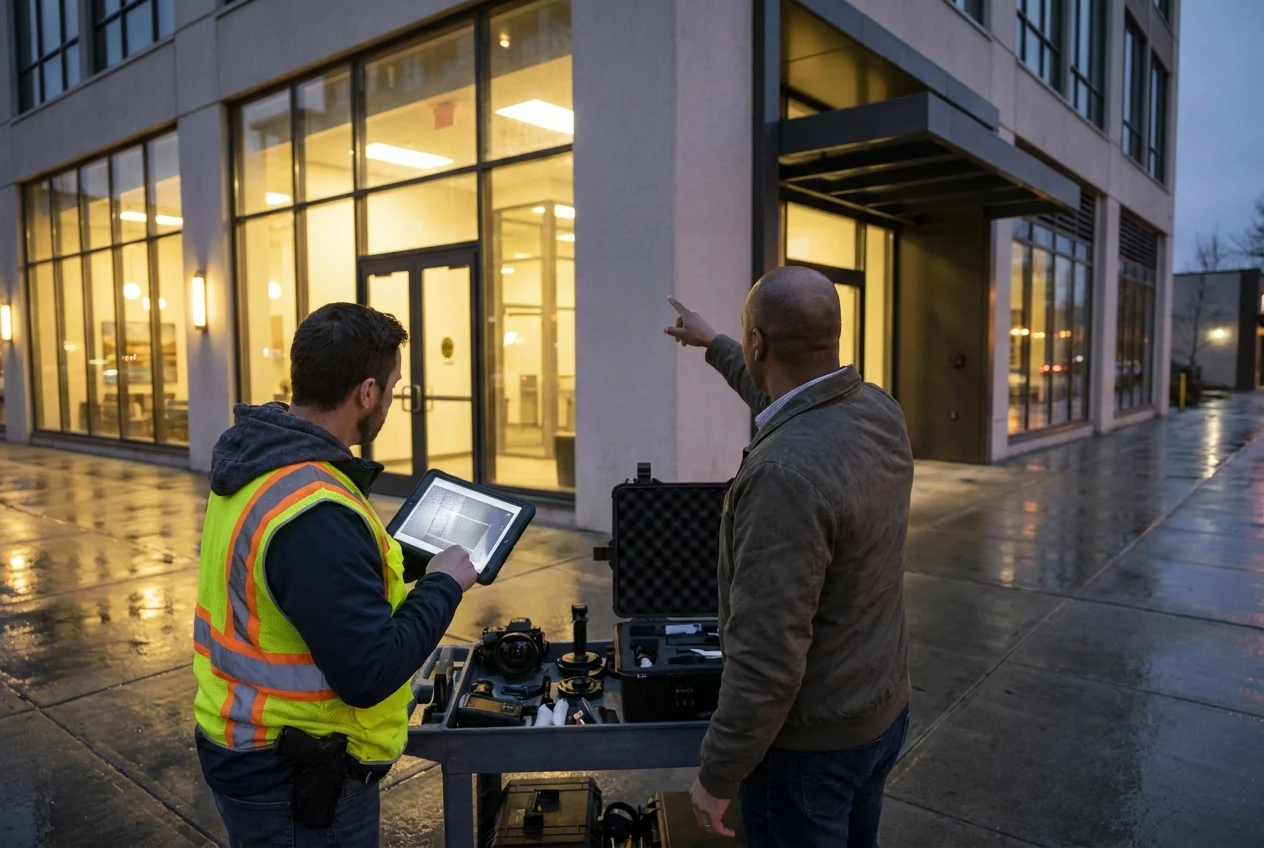
Outdoor cameras should be rated for exposure to rain, dust, temperature changes, and potential tampering. Placement also matters. Cameras mounted too high may show the tops of heads instead of faces, while cameras mounted too low may be vulnerable to damage. The best installation points balance visibility, protection, lighting, field of view, and the specific evidence you want the system to capture.
Understand Resolution, Field of View, and Image Detail
Resolution is one of the most discussed surveillance specifications, but it is often misunderstood. A higher resolution camera can capture more detail, yet resolution alone does not guarantee useful evidence. A 4K camera installed too far from the target area, pointed at poor lighting, or paired with an overly wide lens may still fail to capture a clear face or license plate. The goal is not simply to buy the highest megapixel count available, but to match image detail to the scene and the security objective.
Field of view is equally important. A wide angle lens can cover more area, which is useful for general monitoring in lobbies, warehouses, showrooms, and common spaces. However, the wider the view, the smaller people and objects appear in the frame. For identification, a narrower field of view may be better because it concentrates pixels on the subject. This is why many strong systems combine overview cameras with targeted cameras at doors, gates, cash registers, and other critical points.
Think in Terms of Pixels on Target
A practical way to evaluate camera performance is to consider how much detail appears on the actual target you need to capture. If a person walks through a doorway, the camera should place enough pixels across the face to make identification realistic. If a vehicle enters a lot, the camera must be positioned and configured to capture the plate under real conditions, including motion, glare, headlights, and nighttime lighting.
This approach prevents overreliance on marketing specifications. For example, an 8 megapixel camera covering an entire parking lot may be excellent for seeing movement but insufficient for reading plates at the far edge of the property. In contrast, a lower resolution camera with the right lens, angle, lighting, and placement may produce better identification results in a focused area.
Choose the Right Recording and Storage Strategy
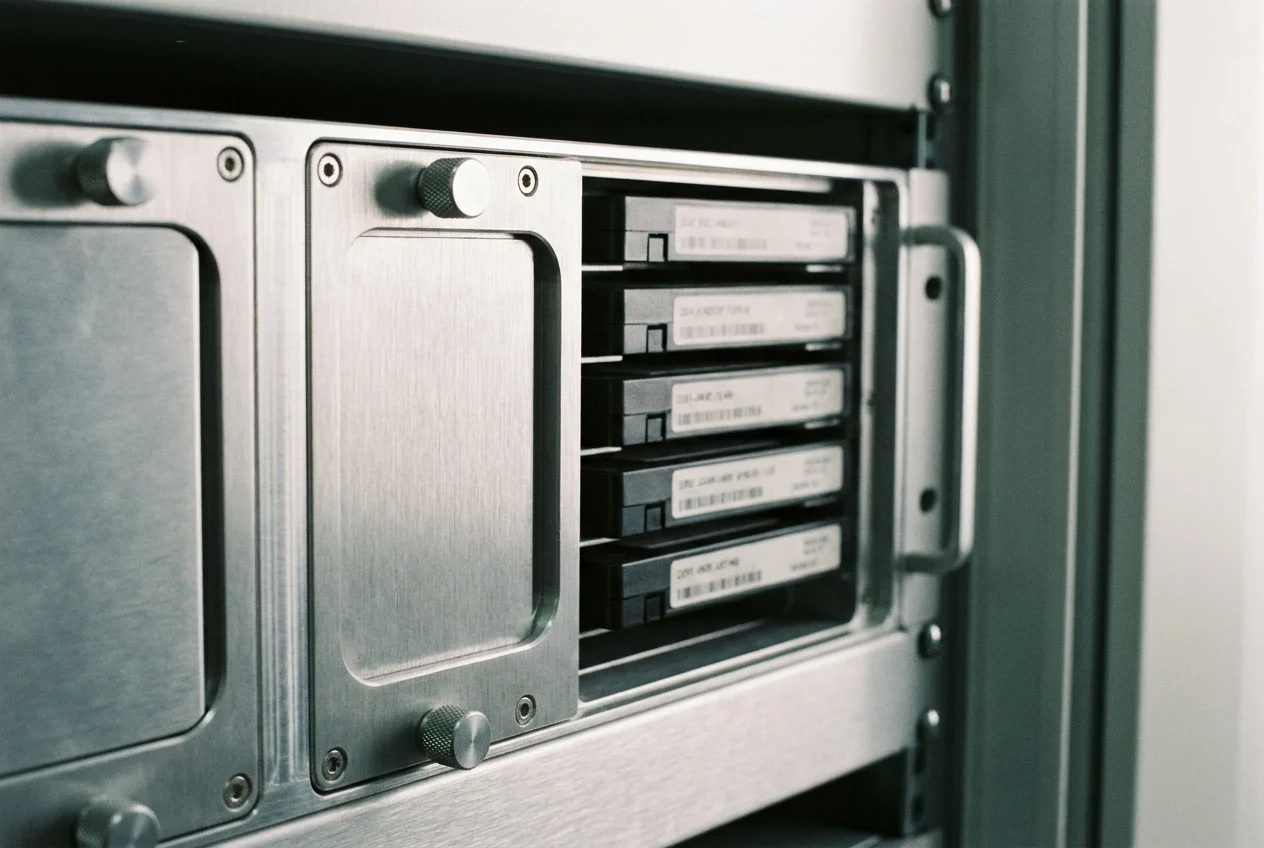
Recording architecture affects system reliability, cost, scalability, and ease of management. Traditional systems often use a network video recorder or digital video recorder located on site. These systems can be effective when an organization wants local control, predictable storage, and continuous recording without relying heavily on internet bandwidth. However, on site equipment must be protected, maintained, updated, and backed up as part of the overall security plan.
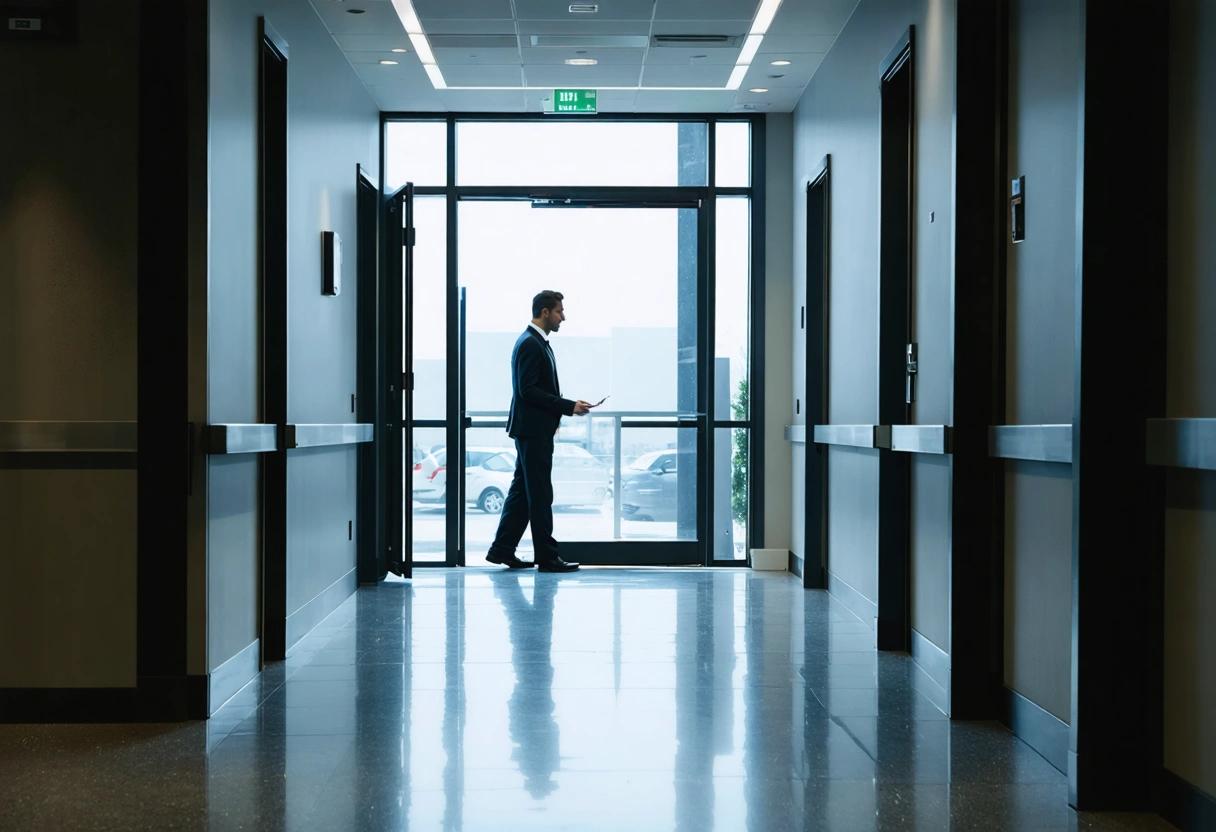
Cloud based video surveillance has become increasingly popular because it allows authorized users to access footage from remote locations, simplifies software updates, and can reduce the need for local infrastructure. Hybrid systems combine local recording with cloud features, offering resilience and flexibility. For example, footage may be stored locally for fast access while important clips, alerts, or backups are sent to the cloud.
Retention Time Should Match Risk and Compliance Needs
One of the most important storage questions is how long footage should be retained. A small retail shop may only need 14 to 30 days of footage, while a regulated facility, school, logistics operation, or corporate campus may require longer retention based on policy, insurance, or investigative timelines. The right retention period depends on how quickly incidents are usually discovered and how long it may take to review and preserve evidence.
Storage requirements are influenced by resolution, frame rate, compression, recording schedule, motion activity, number of cameras, and retention duration. Continuous recording provides a complete record but consumes more storage. Motion based recording saves space, but it must be configured carefully to avoid missing important activity. Many organizations use a blended approach, such as continuous recording in high risk areas and motion based recording in lower risk locations.
Evaluate Network, Power, and Infrastructure Requirements
Modern IP surveillance systems rely on network infrastructure, so camera planning should include bandwidth, cabling, switches, power, cybersecurity, and physical equipment locations. Power over Ethernet is widely used because one cable can provide both data and power to the camera. This simplifies installation and reduces the need for electrical outlets near each device. However, network switches must have enough power budget to support all connected cameras.
Bandwidth planning is especially important for high resolution cameras, multi-site deployments, and remote viewing. If too many cameras transmit high quality video at once, the network can experience congestion. This may affect video performance and other business systems. Proper configuration, video compression, segmented networks, and quality switches help keep the system stable and efficient.
Plan for Reliability During Outages
A surveillance system is most valuable when it continues working during stressful conditions. Consider backup power for recorders, network switches, routers, and critical cameras. If the internet fails, cloud dependent systems should have a plan for local buffering or failover.
For larger properties, fiber connections, wireless bridges, or dedicated network pathways may be necessary to connect distant buildings, gates, parking areas, or perimeter cameras. These infrastructure decisions should be made early because they can significantly affect budget, installation timelines, and long term performance.
Use Video Analytics Carefully and Strategically
Video analytics can make a surveillance system much more proactive. Instead of relying only on someone reviewing footage after an event, analytics can detect activity patterns and generate alerts in near real time.
Advanced systems may include facial recognition, license plate recognition, behavior analysis, occupancy monitoring, or integration with access control events. These capabilities can be powerful, but they should be matched to operational needs and legal requirements.

Reduce False Alerts With Better Configuration
False alerts often come from environmental motion, such as trees, rain, shadows, insects, reflections, headlights, or animals. Camera angle, lighting, detection zones, sensitivity settings, and analytics rules all influence alert quality.
Analytics should also be tested under real conditions. A rule that works during the day may fail at night. A camera that detects people reliably in clear weather may behave differently during heavy rain or snow.
Consider Privacy, Policy, and Responsible Use
Video surveillance must be implemented with attention to privacy and appropriate use. Cameras should be placed to monitor legitimate business and security areas, not private spaces where people have a strong expectation of privacy.
A clear surveillance policy should define who can access live and recorded video, when footage may be reviewed, how long it is retained, how evidence is exported, and how requests for footage are handled.
Secure the System Against Digital and PhysicalNeed help with Choosing the Right Video Surveillance System for Your Security Needs?
Need help with Choosing the Right Video Surveillance System for Your Security Needs?