
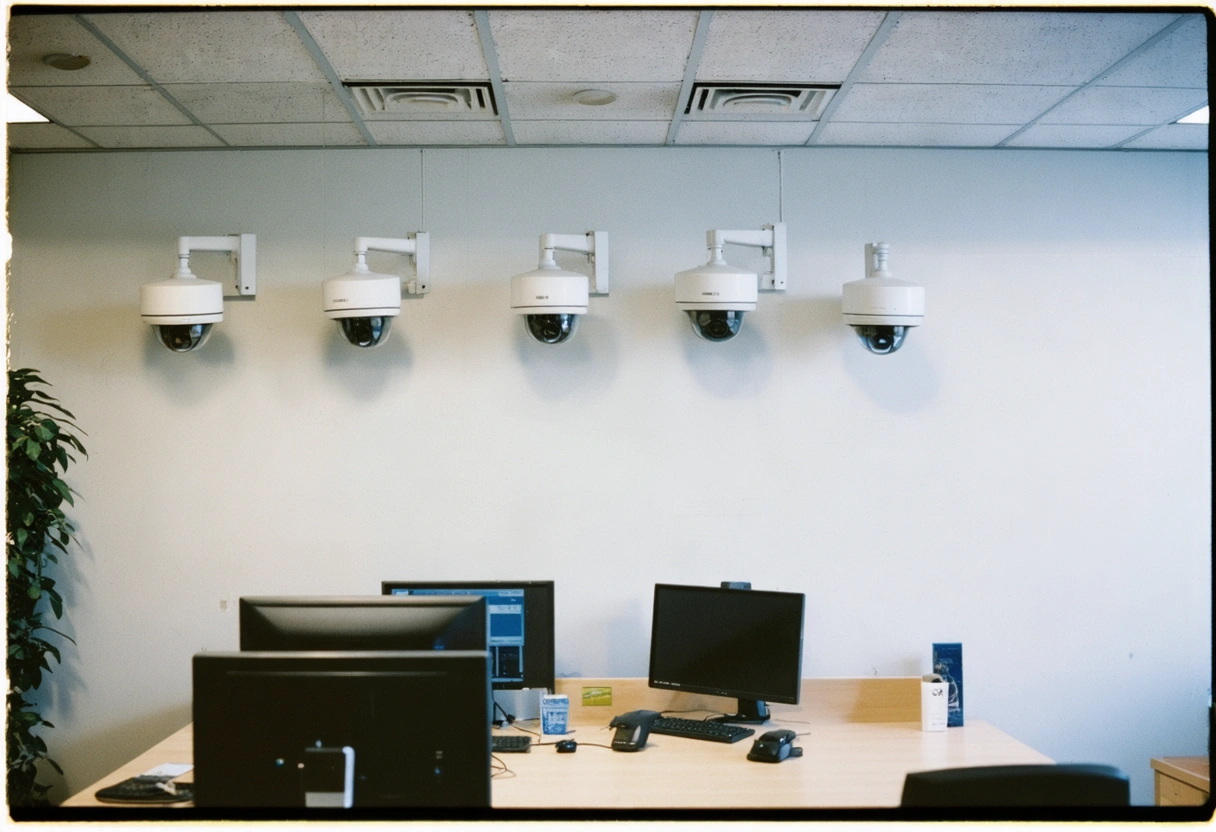
Leveraging Video Surveillance & Physical Security Measures for Risk Mitigation: A Guide for Small Businesses
In today’s rapidly changing business environment, small businesses face an array of security challenges that can impact their operations and overall success. This reality makes it essential for businesses to prioritize video surveillance and physical security measures to mitigate potential risks. While large corporations often have extensive resources to dedicate to security, small businesses must be strategic with their investments. This guide explores how small businesses can effectively leverage video surveillance and physical security measures to protect their assets, enhance safety, and ultimately, boost their bottom line.
Security is not just about preventing theft or vandalism; it encompasses protecting employees, customers, and the business environment. Video surveillance and physical security measures provide a comprehensive approach to mitigating risk and ensuring a secure business operation. By understanding the available technologies and best practices, small business owners can make informed decisions to safeguard their interests.
The Importance of Video Surveillance in Small Businesses
Video surveillance is a critical component of a comprehensive security strategy. For small businesses, implementing a reliable video surveillance system can deter criminal activity, provide evidence in case of an incident, and enhance overall safety. The presence of cameras alone can be a powerful deterrent, discouraging potential wrongdoers from targeting your business.
Moreover, video surveillance systems can be tailored to meet specific business needs. Whether it’s covering entry points, monitoring employee productivity, or ensuring customer safety, the flexibility of modern surveillance systems allows small businesses to control what they monitor. Additionally, with technological advancements, remote monitoring has become more accessible, allowing business owners to keep an eye on their premises from anywhere at any time.
According to the Security Magazine, incorporating video surveillance into your security framework not only reduces the risk of external threats but also helps in managing internal risks like employee theft or procedural violations. This dual role significantly enhances the overall risk mitigation strategy for small businesses.
Integrating Physical Security Measures
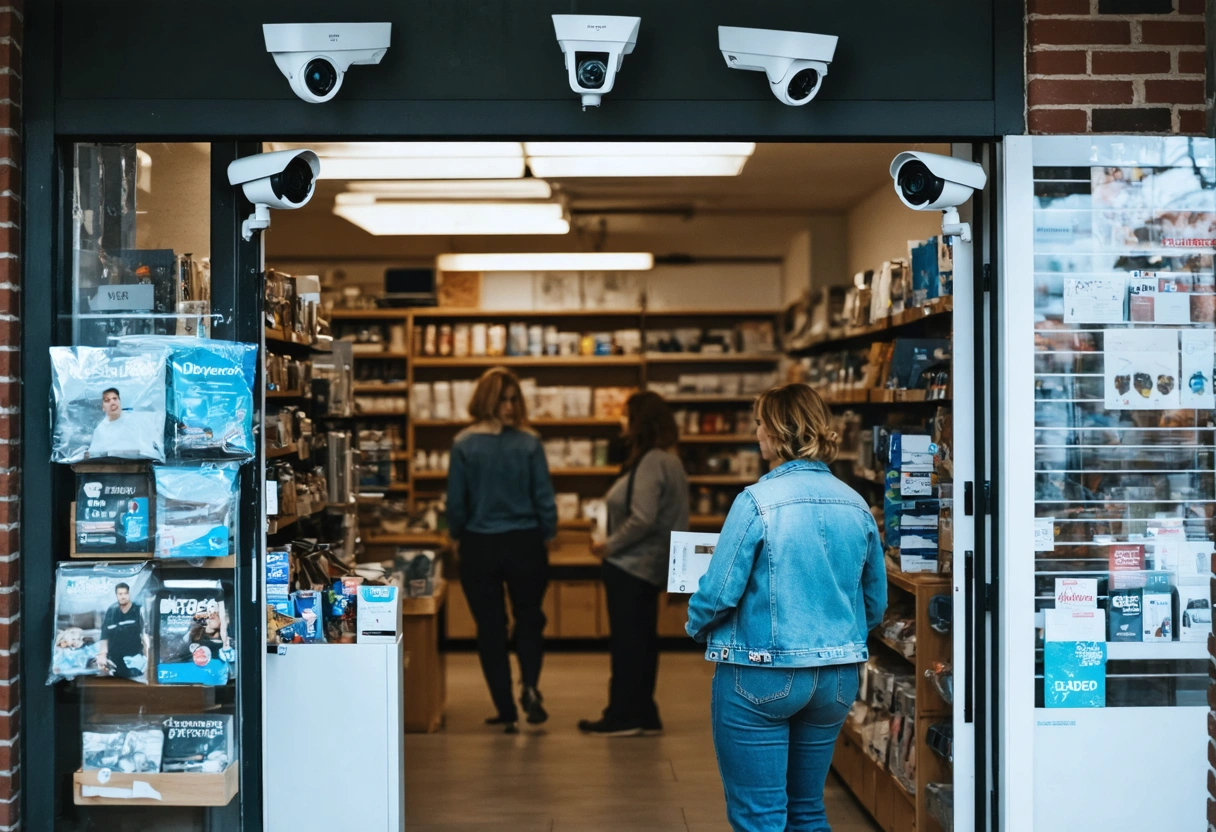
While video surveillance is crucial, it should be complemented by robust physical security measures. Physical security involves creating barriers and implementing protocols to prevent unauthorized access and protect business assets. These measures can range from simple locks and alarms to sophisticated access control systems.
For small businesses, investing in high-quality locks and securing all entry points is a foundational step. Additionally, incorporating alarm systems and motion detectors can further strengthen security. Access control systems, which include keycards or biometric scanners, can be particularly beneficial in controlling who enters certain areas of the business premises.
Additionally, small businesses should consider the strategic placement of physical barriers such as fences or bollards. These can prevent unauthorized vehicles from accessing certain areas and are particularly useful for businesses with valuable outdoor assets. As emphasized by IFSEC Global, physical security measures, when effectively integrated with surveillance systems, create a multi-layered defense strategy that is hard for potential intruders to breach.
Choosing the Right Technology for Video Surveillance
With the plethora of video surveillance technologies available today, selecting the right system can be daunting for small business owners. However, understanding the basic components and functionalities can simplify the decision-making process. Key considerations include camera resolution, storage capacity, and integration capabilities.
High-definition cameras are recommended to ensure clear and detailed footage, which is crucial in the event of a security breach. Additionally, consider the storage solutions offered by different systems. Cloud-based storage provides flexibility and security, allowing you to store significant amounts of data without the risk of physical damage or theft.
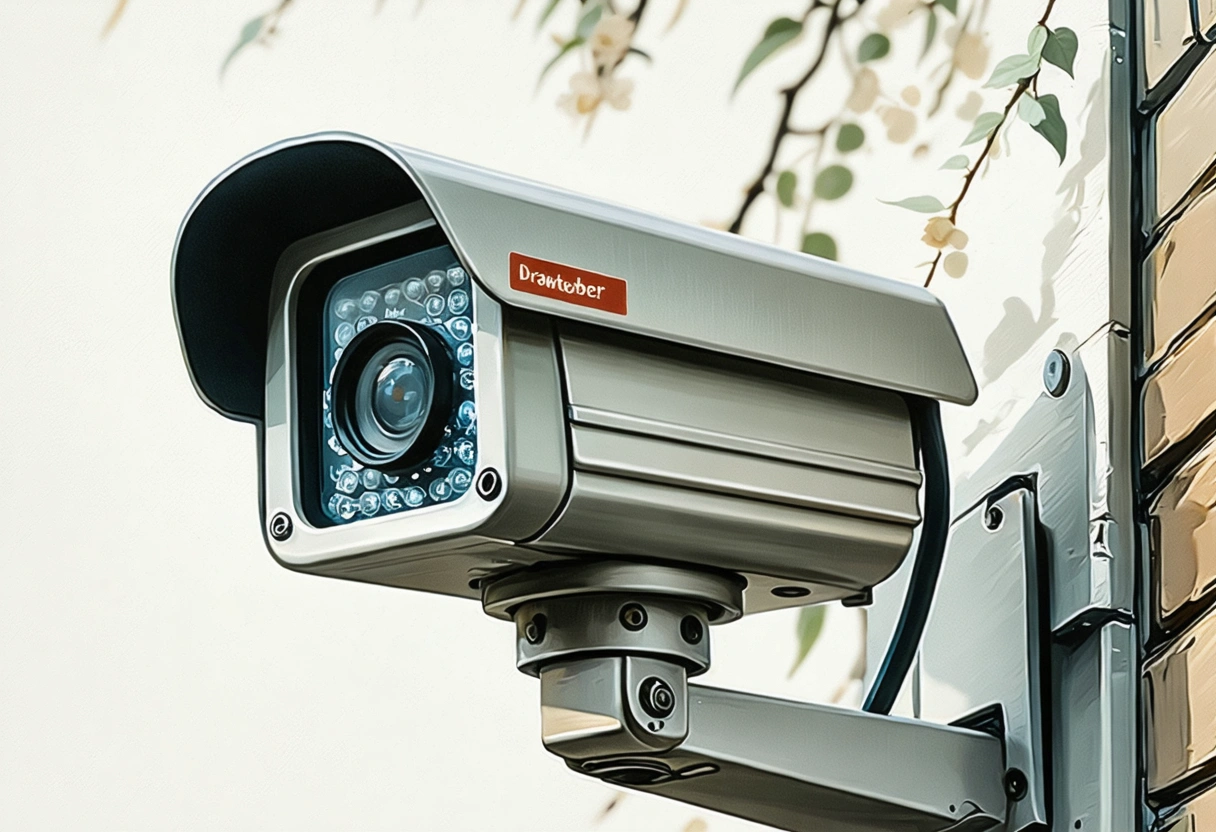
Integration capabilities are another important aspect. Modern systems offer integration with other security measures, such as alarms and access control systems, creating a cohesive security network. As noted by CSO Online, choosing a system that supports mobile access and real-time alerts can enhance your ability to respond promptly to any security threats.
Developing a Comprehensive Security Plan
A well-thought-out security plan is essential for leveraging video surveillance and physical security measures effectively. Start by conducting a thorough risk assessment to identify vulnerabilities and prioritize areas that need immediate attention. This assessment should cover both internal and external threats, considering factors such as location, industry-specific risks, and business operations.
Once the risks have been identified, develop a tailored security strategy that incorporates both video surveillance and physical security measures. This strategy should include clear protocols for responding to various security incidents, regular maintenance schedules for all security equipment, and training for employees to ensure they understand and can execute security procedures effectively.
Furthermore, regular audits of your security measures will help in identifying any potential gaps and updating the security plan as needed. Engaging with security professionals or consultants can provide additional insights and expertise, ensuring your security measures are both current and effective. The Security Management site offers valuable tips on how small businesses can fine-tune their security strategies to adapt to evolving risks.
The Role of Employee Training in Effective Security
Employee engagement and training are critical in ensuring the effectiveness of your security measures. Employees should be well-versed in the security protocols and know how to react during different security situations. Regular training sessions can help reinforce the importance of security measures and ensure employees are prepared for any eventualities.

Additionally, fostering a culture of security within your business can significantly enhance your overall risk mitigation efforts. Encouraging employees to report suspicious activities and rewarding proactive behavior can create a more vigilant and security-conscious workforce. The implementation of a whistleblowing policy can also play a crucial role in uncovering internal threats, thereby strengthening the overall security framework.
Takeaways
Incorporating video surveillance and physical security measures is essential for small businesses looking to mitigate risks effectively. By understanding the importance of these measures, choosing the right technologies, and developing a comprehensive security plan, small business owners can protect their assets and ensure a safe environment for both employees and customers.
The integration of video surveillance with physical security measures creates a robust defense system that deters potential threats and enhances the overall security posture. By staying informed and proactive, small businesses can navigate the complex landscape of security risks and emerge stronger and more resilient. Resources like ASIS International provide further insights and strategies that can help small businesses improve their security measures in a cost-effective manner.
Ultimately, investing in security is not just a necessity but a strategic move that can significantly contribute to the long-term success and sustainability of small businesses in an increasingly unpredictable world.
Cost-Benefit Analysis of Security Investments
One of the critical considerations for small businesses when implementing video surveillance and physical security measures is the cost associated with these technologies. Conducting a cost-benefit analysis helps in understanding the value of these investments in relation to the potential risks they mitigate. While the upfront costs of purchasing and installing security systems may seem significant, the long-term benefits often outweigh these expenses by reducing the risk of theft, vandalism, and other security incidents that could lead to substantial financial losses.

Moreover, insurance companies often view businesses with robust security measures more favorably, which can lead to reduced insurance premiums. This reduction in ongoing costs can further justify the initial investment. Businesses should also consider the potential savings from preventing even a single major security incident, which can be financially devastating. The Security Info Watch provides valuable insights on calculating the return on investment for security systems, helping businesses make informed financial decisions.
Leveraging Technology for Advanced Security
As technology continues to evolve, small businesses have more opportunities to leverage advanced security solutions that were once only accessible to large corporations. Innovations such as artificial intelligence (AI) and machine learning are now being integrated into video surveillance systems to enhance their capabilities. AI-powered analytics can automatically detect unusual patterns or behaviors, sending real-time alerts to business owners or security personnel.
Additionally, integrating Internet of Things (IoT) devices can further enhance security measures. IoT-enabled devices can be connected to a central system, providing seamless control and monitoring across various aspects of security. For instance, smart locks, sensors, and cameras can work in conjunction, offering a comprehensive view of the premises and enabling swift responses to any anomalies detected.
This integration of advanced technologies not only improves security outcomes but also enhances operational efficiency by automating many aspects of security management. According to TechRepublic, businesses that adopt AI and IoT in their security protocols experience significant improvements in threat detection and response times.
Future Trends in Video Surveillance and Physical Security
The field of video surveillance and physical security is constantly evolving, and staying updated with future trends is vital for small businesses looking to maintain a secure environment. One of the emerging trends is the adoption of cloud-based security solutions. Cloud technology offers scalable storage options and access to cutting-edge analytics without the need for substantial hardware investments.

Another significant trend is the increasing use of mobile-friendly security applications. These apps allow business owners and security personnel to monitor and manage security systems remotely, providing unparalleled convenience and control. The integration of wearable technology for security personnel is also gaining traction, offering real-time communication and access to critical data during security incidents.
Biometric security technologies are expected to become more prevalent, providing an added layer of security through facial recognition and fingerprint scanning. These technologies not only enhance security but also improve user experience by streamlining access control processes.
Keeping an eye on these trends and integrating relevant technologies into existing security frameworks can help small businesses stay ahead of potential threats. Security Sales & Integration highlights some of these trends, providing a glimpse into the future landscape of security solutions.
Takeaways
In conclusion, video surveillance and physical security measures are indispensable tools for small businesses aiming to mitigate risks effectively. By carefully selecting and integrating these technologies, businesses can protect their assets, enhance safety, and ensure operational continuity. While the initial investment may be a concern, the long-term benefits of reduced risk and potential cost savings make these investments worthwhile.
By staying informed about technological advancements and future trends, small businesses can continue to enhance their security posture, adapting to new challenges as they arise. Ultimately, a proactive and strategic approach to security not only safeguards business interests but also fosters a secure and trustworthy environment for employees and customers alike. Embracing these measures is a vital step towards building a resilient and sustainable business in an ever-evolving world.
Need help with Leveraging Video Surveillance & Physical Security Measures for Risk Mitigation: A Guide for Small Businesses?