
In today’s digital age, phishing attacks are among the most common and costly threats that small businesses face. These malicious schemes can compromise sensitive information, damage your reputation, and lead to significant financial loss. Understanding how to protect your business from these attacks is not just a cybersecurity necessity—it’s crucial for your company’s survival and growth.
Phishing attacks are becoming increasingly sophisticated, targeting businesses of all sizes, but small businesses often lack the resources and expertise to effectively defend against them. This guide will provide practical insights and strategies to safeguard your enterprise from such threats.
Understanding Phishing Attacks
Phishing is a cybercrime in which attackers attempt to obtain sensitive information such as usernames, passwords, and credit card details by disguising themselves as trustworthy entities in electronic communication. The most common form of phishing is email phishing, but there are other methods, including phone calls, texts, and fake websites.
Attackers usually create a sense of urgency or fear to prompt the recipient to act quickly without thinking. For example, an email may appear to be from a bank, urging the recipient to update their account information immediately to avoid suspension. It’s vital to recognize these tactics to prevent falling victim to them.
Types of Phishing Attacks
Various types of phishing attacks exist, and understanding them can help in identifying and mitigating risks. Some common types include:
- Email Phishing: The most prevalent form, where attackers send emails that appear legitimate to trick recipients into providing sensitive information.
- Spear Phishing: A targeted form of phishing where attackers focus on a specific individual or organization, often using personalized information to make their attacks more convincing.
- Clone Phishing: Attackers create a near-identical copy of a legitimate email that has been previously sent, but with malicious links or attachments.
- Whaling: A form of phishing that targets high-profile individuals within a company, such as executives or managers, often involving highly personalized and sophisticated tactics.
Identifying Phishing Attempts
Recognizing phishing attempts is the first line of defense against cyber threats. Be aware of the following telltale signs of phishing:
Suspicious Sender: Always verify the sender’s email address. Phishers often use addresses that are similar to legitimate ones but with slight variations.
Poor Grammar and Spelling: Many phishing emails contain errors in grammar and spelling. Legitimate companies usually have professional communication standards.

Unusual Requests: Be cautious of any email that requests sensitive information or urges immediate action. Legitimate organizations rarely ask for personal information through email.
Embedded Links: Hover over links to see where they lead. If the URL doesn’t match the company’s official website, it could be a phishing attempt.
Case Study: Successful Phishing Detection
Consider a small marketing firm that noticed an unusual email from a familiar vendor requesting an urgent wire transfer. The finance team recognized the signs of phishing—suspicious email address and unexpected request—and contacted the vendor directly through official channels. Their vigilance prevented a potential financial loss.
Implementing Security Measures
While recognizing phishing attempts is crucial, implementing comprehensive security measures is essential for preventing attacks. Here are some effective strategies:
Employee Training: Regular training sessions can educate employees on identifying phishing attacks and responding appropriately. Simulated phishing exercises can also help assess and improve staff readiness.
Multi-Factor Authentication (MFA): Implementing MFA adds an additional layer of security by requiring two or more forms of verification before accessing sensitive information or systems.
Email Filtering: Use advanced email filtering tools to detect and block phishing emails before they reach your inbox. These tools can identify suspicious content using machine learning and threat intelligence.
Investing in Cybersecurity Tools
Consider investing in cybersecurity tools that provide comprehensive protection against phishing and other cyber threats. Firewalls, intrusion detection systems, and antivirus software can help secure your business network.
Additionally, regularly update software and security patches to protect against known vulnerabilities, and consider hiring a cybersecurity consultant to assess your company’s security posture and recommend improvements.

Creating a Response Plan
Even with robust security measures, it’s crucial to have a response plan in place in case of a phishing attack. A well-defined plan can help minimize damage and ensure a swift recovery.
Incident Response Team: Form a team responsible for managing cybersecurity incidents, including phishing attacks. This team should include members from IT, legal, and communications departments.
Reporting Procedures: Establish clear procedures for reporting suspected phishing attempts. Encourage employees to report anything suspicious immediately to the incident response team.
Steps to Take After a Phishing Attack
If your business falls victim to a phishing attack, take the following steps:
- Immediately disconnect affected systems from the network to prevent further damage.
- Analyze the attack to understand how it occurred and what information may have been compromised.
- Notify affected parties, such as customers or partners, about the breach and advise them on steps they can take to protect themselves.
- Review and update security protocols to prevent future attacks.
Legal and Compliance Considerations
Phishing attacks can have legal implications, especially if customer data is compromised. Understanding the legal landscape and ensuring compliance with relevant regulations is vital for protecting your business.
Data Protection Regulations: Familiarize yourself with regulations such as the General Data Protection Regulation (GDPR) and the California Consumer Privacy Act (CCPA), which outline requirements for data protection and breach notification.
Consulting Legal Experts: Consider consulting with legal experts specializing in cybersecurity law to ensure your response plans and security measures align with legal requirements and best practices.
Staying Informed and Updated
Stay informed about the latest cybersecurity frameworks and guidelines. Regularly review industry reports and updates from trusted sources to keep abreast of new phishing tactics and defensive strategies.

Participating in cybersecurity forums and attending relevant conferences can also provide valuable insights and networking opportunities with industry experts.
Takeaways
Protecting your small business from phishing attacks requires a proactive approach, combining awareness, education, and robust security measures. By understanding the nature of phishing threats and implementing comprehensive defenses, you can safeguard your business’s sensitive information and maintain the trust of your customers.
Commit to ongoing training, invest in the right tools, and develop a clear response plan to ensure your business is prepared to tackle phishing threats head-on. With the right strategy in place, you can minimize risks and focus on growing your business with confidence.
Enhancing Employee Awareness
One of the most effective ways to combat phishing attacks is by fostering a culture of cybersecurity awareness within your organization. Employees are often the first line of defense, and their vigilance can prevent many attacks from succeeding.
Regular Training Sessions: Conduct regular training sessions that provide updates on the latest phishing tactics and reinforce best practices for identifying suspicious activities. Interactive workshops and real-world simulations can enhance engagement and retention of information.
Role-Based Training: Tailor training programs to different roles within the organization. For instance, finance and HR departments may require specialized training due to their access to sensitive information. Customized training ensures that each employee understands the specific threats they might encounter in their role.
Creating a Security-Minded Culture
Encouraging a security-minded culture involves more than just formal training. Consider incorporating cybersecurity into everyday conversations and decision-making processes.
Leadership can set the tone by emphasizing the importance of cybersecurity in company communications and demonstrating commitment to best practices. Recognizing and rewarding employees who report phishing attempts or demonstrate excellent security practices can further promote a culture of vigilance.
Utilizing Technology to Combat Phishing
As phishing attacks become more advanced, leveraging technology becomes essential in defending against them. Implementing the right technological solutions can significantly reduce the risk of successful attacks.
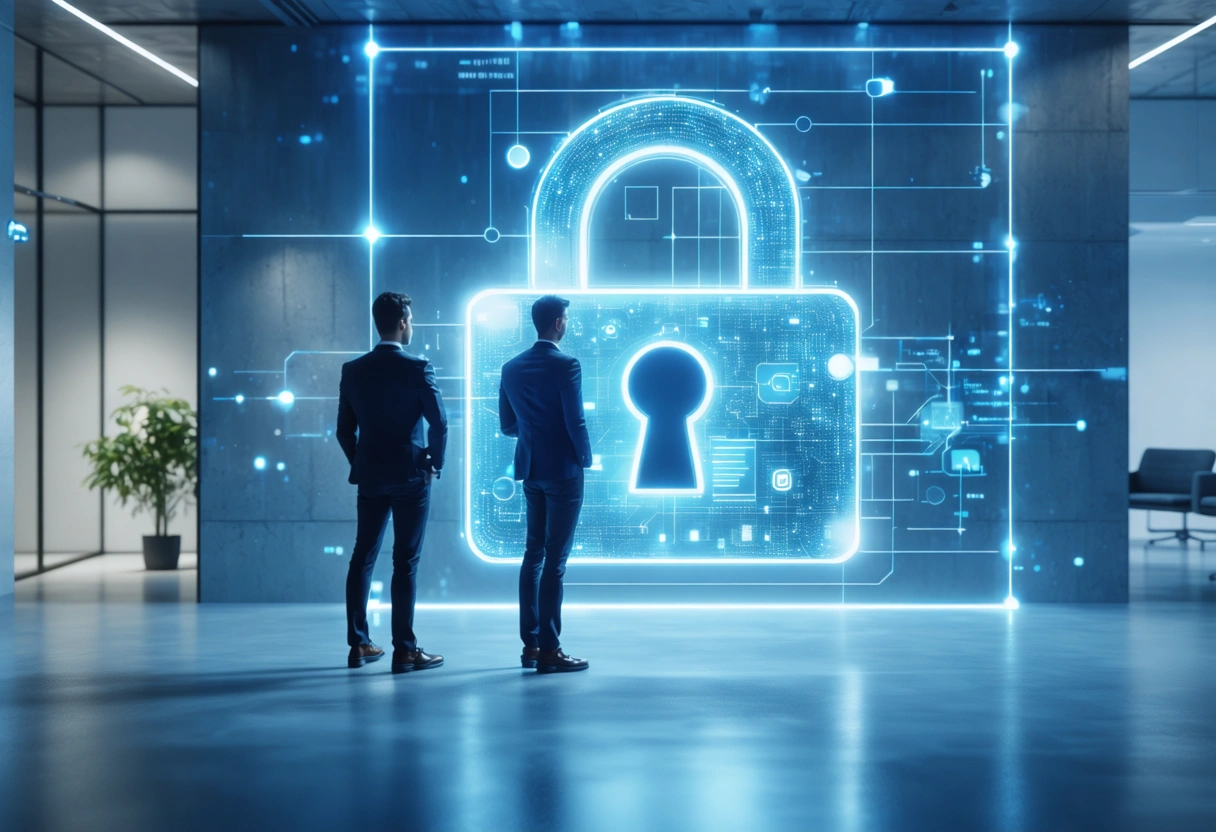
AI and Machine Learning: Utilize AI and machine learning tools to analyze email patterns and detect anomalies that may indicate phishing attempts. These technologies can provide real-time alerts and help automate responses to potential threats.
Advanced Threat Protection (ATP): ATP services offer comprehensive security by analyzing email attachments and links for malicious content before they reach the recipient. This proactive approach can prevent phishing emails from ever entering the inbox.
Integrating Security Solutions
Integrating various security solutions ensures a layered defense against phishing attacks. For example, combining email security solutions with endpoint protection and network monitoring creates a holistic security strategy that addresses multiple threat vectors.
Consider adopting a zero-trust architecture that verifies every access request as if it originates from an open network. This approach minimizes the risk of unauthorized access through compromised credentials.
Monitoring and Updating Security Policies
Continuously monitoring and updating your security policies is crucial for staying ahead of emerging threats. Security policies should be dynamic, reflecting the evolving nature of cyber threats and the specific needs of your business.
Regular Policy Reviews: Schedule regular reviews of your security policies to ensure they remain relevant and effective. Involve various stakeholders, including IT, legal, and management teams, to provide comprehensive input and alignment with business objectives.
Adapting to New Threats: Stay informed about new phishing tactics and incorporate this knowledge into your security policies. Adaptability is key to maintaining an effective defense against ever-changing cyber threats.
Embedding Security into Business Processes
Security should not be an afterthought but an integral part of your business processes. Embed security considerations into project planning, procurement decisions, and vendor management to ensure a consistent and proactive approach to cybersecurity.
For instance, when onboarding new employees, include cybersecurity training as part of the induction process. Similarly, when evaluating third-party vendors, assess their security practices to ensure they align with your standards.
Collaborating with Industry Partners
Another effective strategy in combating phishing attacks is collaborating with industry partners and cybersecurity communities. Sharing information and resources can enhance your defenses and provide insights into emerging threats.
Joining Industry Groups: Participate in industry groups and forums that focus on cybersecurity. These platforms offer opportunities to share experiences, learn from peers, and access valuable resources, such as threat intelligence reports and best practice guidelines.
Public-Private Partnerships: Engage in public-private partnerships that promote cybersecurity awareness and collaboration. These partnerships often provide access to government resources and initiatives aimed at enhancing national and global security.
Leveraging External Expertise
Consider collaborating with cybersecurity experts and consultants to conduct regular audits and assessments. External experts can provide a fresh perspective, identify potential vulnerabilities, and recommend strategies for improvement.
Additionally, participating in cybersecurity conferences and workshops can provide valuable learning opportunities and help build a network of trusted contacts in the industry.
Takeaways
In the face of evolving phishing threats, small businesses must remain vigilant and proactive in their cybersecurity efforts. By understanding the nature of phishing attacks, implementing robust security measures, and fostering a culture of awareness, businesses can significantly reduce their risk of falling victim to such schemes.
Continuous improvement, collaboration, and investment in technology are key components of a successful cybersecurity strategy. As the digital landscape continues to evolve, so too must your approach to safeguarding your business. With the right tools, knowledge, and commitment, you can protect your business from phishing attacks and ensure its longevity and success.
For more information on protecting your business from cyber threats, consider visiting the FTC’s Start with Security guide and the SBA’s cybersecurity resources for small businesses.
Need help with Protecting Your Small Business from Phishing Attacks: A Practical Guide?